






Understanding the Cultural and Economic Impact of Jueteng
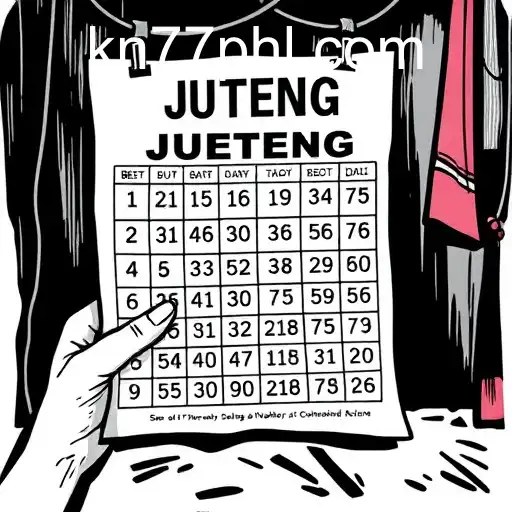
Understanding the Cultural and Economic Impact of Jueteng
Jueteng is a form of illegal numbers game that has entrenched itself deeply into the cultural and economic fabric of the Philippines. Despite the government's continuous efforts to eradicate it, Jueteng remains pervasive, subtly interwoven into society, offering both an easy avenue for gambling and a source of livelihood for many Filipinos. This clandestine numbers game reflects both the resilience of traditional practices and the complexities of abstract legality within the socio-political landscape of the country.
The Mechanics of Jueteng
The mechanics of Jueteng are relatively simple and thus attract a wide demographic. The game involves two numbers from one to thirty-seven, making it easy to understand and easy to play. Bettors, often from the lower socioeconomic classes, bet small amounts, and if their numbers are drawn, they can receive up to 30 times their stakes. The simplicity of the game provides not only a means to quick money but also a sense of hope and excitement.
The Socio-Economic Context
Jueteng is not just a gambling activity but a complex social phenomenon that stems from the socio-economic condition of the Philippines. The game thrives in areas plagued by poverty, where access to legal employment opportunities is limited. In these environments, Jueteng acts as an informal employment sector, providing jobs such as bet collectors or 'kubradors', who are essential to the system's operation. These jobs offer economic relief to many families who might otherwise struggle to make a living.
Additionally, the financial dynamic created by Jueteng cannot be overlooked. The influx of money within communities allows for additional economic activities, fueling local economies. For some, the income generated from Jueteng becomes an integral part of household income, supporting basic needs and, at times, funding education.
Political Connections
The relationship between Jueteng and politics is intricate and historical. Local government officials often turn a blind eye to its operations in exchange for financial support during elections. This illicit enterprise becomes a tool for political leverage, where Jueteng lords use money from the game to fund political campaigns, ensuring that local authorities remain complacent. This symbiotic relationship between politicians and Jueteng operators creates an environment of corruption that perpetuates its existence despite official crackdowns.
The political implications of Jueteng are profound. As politicians receive financial backing, they, in turn, grant protection to Jueteng operators, creating an almost unbreakable cycle that supports its persistence. However, this relationship often overshadows genuine efforts aimed at eradicating the game, undermining public trust in political institutions.
Efforts Toward Eradication
Throughout the years, various administrations have waged war against Jueteng, recognizing its consequences on governance and societal order. Law enforcement agencies regularly conduct operations to arrest operators and kubradors, yet the game invariably returns, highlighting the difficulty of total eradication. Strategies such as legal alternative options, like the Philippine Charity Sweepstakes Office's (PCSO) Small Town Lottery (STL), have been introduced to absorb Jueteng operations into legitimate systems. Nevertheless, these alternatives often fall short, either overshadowed by the deep-rooted convenience and familiarity of Jueteng or hampered by corruption that parallels the very activities they aim to replace.
The Cultural Narrative
At its core, Jueteng is deeply tied to the cultural narratives of chance, fortune, and resilience. Many Filipino cultural narratives revolve around themes of resourcefulness and hope, qualities that resonate with those participating in the game. Despite its illegal status, Jueteng provides an avenue through which Filipinos can momentarily escape economic constraints and possibly change their fates with a modest bet.
While cultural acceptance of Jueteng persists, partly due to its portrayal in media as a common yet contentious reality of Filipino life, the game also incites substantial debate. Many argue that its continuation undercuts the law and propagates a cycle of poverty and corruption, challenging its romanticized view in a modernizing society.
Moving Forward
Jueteng’s endurance reflects not just a failure of policy but also a broader need to address underlying socioeconomic disparities. Any ongoing efforts to manage its influence must consider innovative approaches to community development that present viable economic alternatives. Only through integrated socio-political reforms can the grip of Jueteng be loosened, reflecting a societal shift toward ethical governance and equitable opportunity.
Exploring OctopusLife: An Exciting New Game in the Era of KN77

Dive into the aquatic world of OctopusLife, a thrilling game set against current global trends. Understand its rules, gameplay, and how it relates to today's events.
2026-03-13
Discover LuckyMiner: The Thrilling Game with a KN77 Twist

Explore the captivating world of LuckyMiner, a game of skill and chance, featuring the innovative KN77 keyword that adds a dynamic twist to gameplay.
2026-03-12
Exploring the Mysteries of MayanTemple: The Revolutionary Game Experience with KN77

Dive into the riveting world of MayanTemple, where ancient mysteries meet modern gaming through the innovative feature KN77.
2026-03-11
Unveiling DiamondExplosion7s: A Thrilling Adventure in the World of Gaming

Explore the electrifying universe of DiamondExplosion7s, a game that combines intrigue and excitement. Delve into its rules, gameplay, and the unique role of the keyword 'KN77'.
2026-03-10

 download apk/ios